
Energy Efficient Window Treatments in Chattanooga
In Chattanooga, we live with real seasonal swings—bright, heat-heavy summers, chilly winter mornings, and that in-between “is it HVAC season again?” moment. The right window treatments don’t just make a room feel more beautiful—they make it feel more comfortable, more consistent, and often more efficient.

At Chattanooga Window Treatments, we design custom solutions that balance light, privacy, and polished style—with a strong focus on energy performance. Think of it as investing in quality foundations you can feel every day: fewer hot spots, fewer drafts, and a home that holds onto comfort a little longer.
Serving Chattanooga, Signal Mountain, Lookout Mountain, Ooltewah, Cleveland, Ringgold, and Hixson.
Ready to lower glare and boost comfort?
How Window Treatments Improve Energy Efficiency
Windows are one of the biggest “comfort leaks” in a home—heat moves through glass and around the edges of the frame. Energy-efficient window treatments help by:
Insulating
Slowing down heat transfer in winter and summer
Blocking solar heat
Reducing how much sun-driven heat builds up indoors
Sealing gaps
Minimizing drafts around the sides/top of a window
Managing timing
Closing coverings when the sun is harsh, opening them when natural warmth is welcome (operable window coverings give you that flexibility).
And here’s the part most homeowners don’t realize: operation matters. The U.S. Department of Energy notes many window coverings stay in the same position every day—so smart use (or motorization) can make a measurable difference.
Best Energy Efficient Window Treatment Options

Cellular (Honeycomb) Shades: The Insulation Leader
If energy efficiency is the top priority, cellular shades are often the MVP. Their honeycomb structure traps air in pockets—creating a built-in insulating layer. DOE notes insulated cellular shades are typically considered to have the highest R-values among window coverings.
Why they’re so effective
- In heating seasons, tightly installed cellular shades can reduce heat loss through windows by 40% or more (about 10% heating energy savings).
- In cooling seasons, they can reduce unwanted solar heat by up to 60% when installed with a tight fit.
- ORNL research found a room with cellular shades achieved up to 24% heating energy savings in a Southeast U.S. field study.
Why they’re so effective
- Top-down/bottom-up for light control without sacrificing privacy
- Side tracks when the goal is maximum insulation (especially for drafty windows)
- Motorization for hard-to-reach windows—or for a “set it and forget it” energy routine
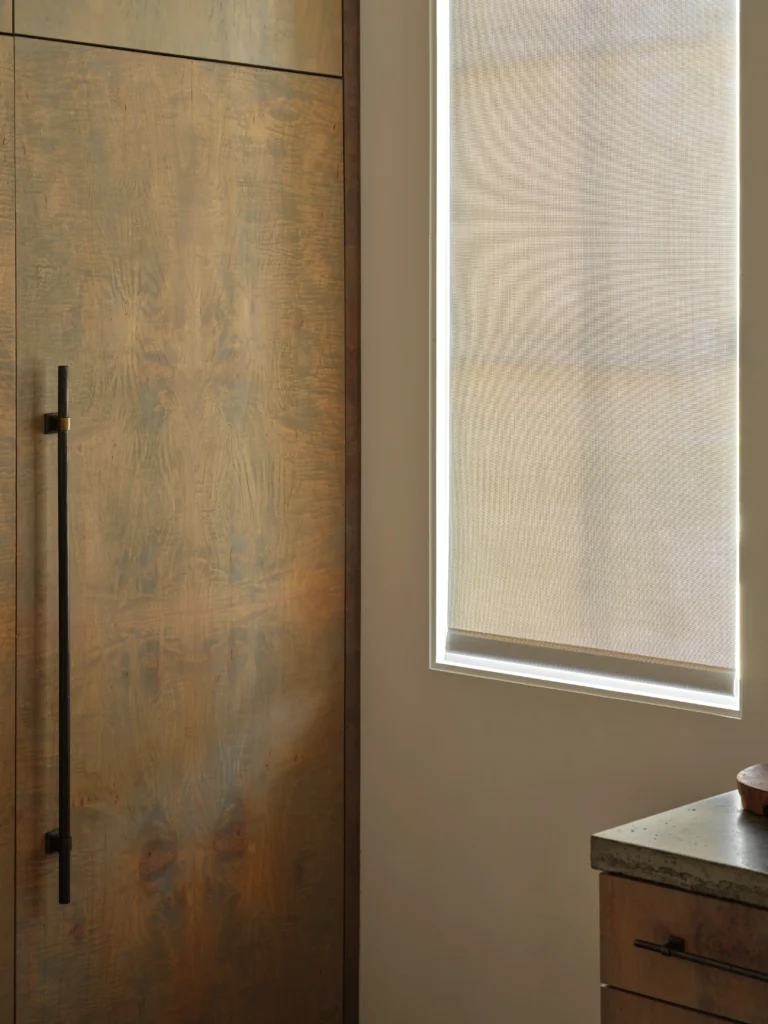
Solar Shades & Solar Screen Fabrics: Heat + Glare Control Without Losing the View
Chattanooga has breathtaking windows—downtown skyline, mountain ridgelines, wooded lots. When you want to keep the view but soften the sun, solar shades can be a beautiful solution.
Energy-efficiency strengths
- Reduce solar heat gain, glare, and UV exposure while maintaining outward visibility
- Ideal for west- and south-facing windows, sunrooms, and large expanses of glass
Best for
- Living rooms with big windows
- Home offices battling afternoon glare
- Spaces where you want daylight—just not the heat
DOE notes “solar screens” reduce solar heat gain and glare, and their openness factor balances heat protection with visibility.
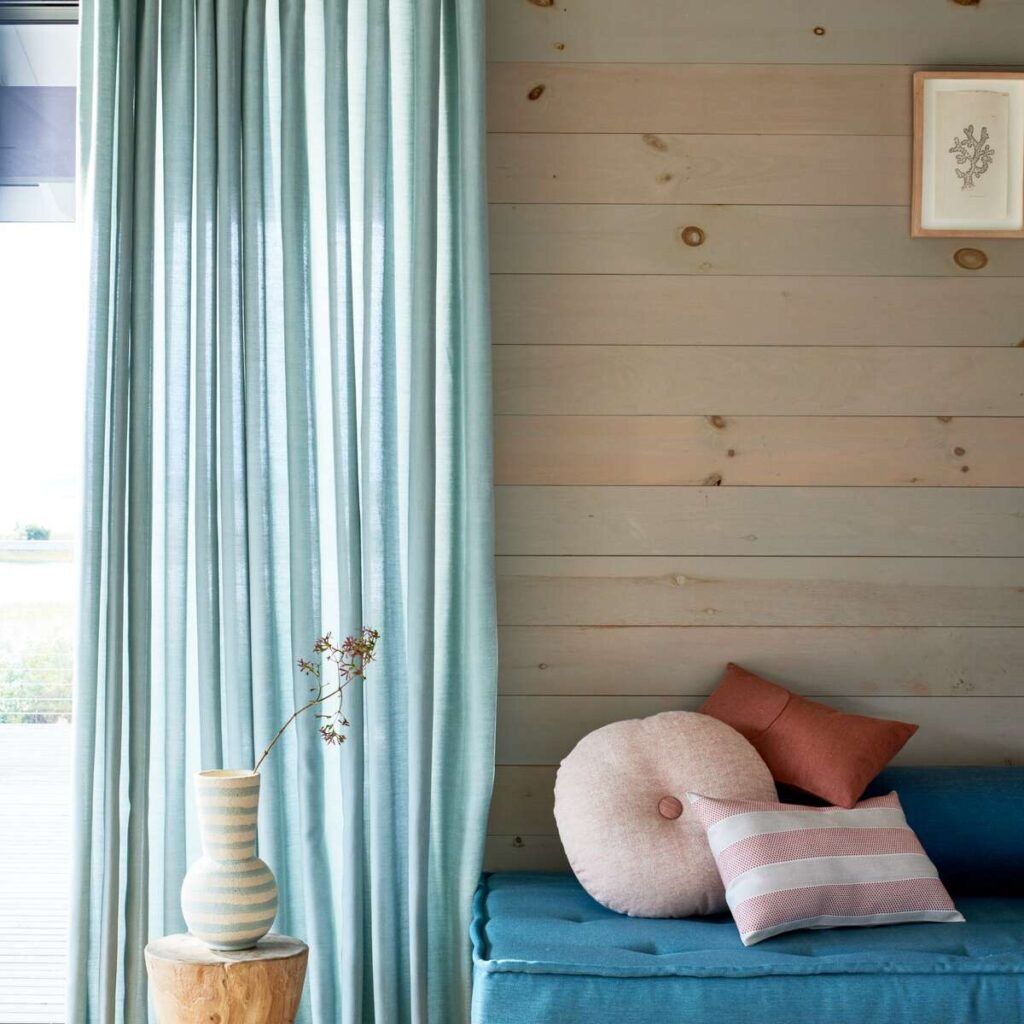
Custom Drapery with Lining (and Optional Interlining): Old-School Warmth, Real Performance
Drapery isn’t just decorative—it’s a soft, tailored insulation layer when designed correctly.
What makes drapery more energy efficient
- Closed-weave fabrics (instead of loose, airy weaves)
- Quality lining that adds structure and helps buffer temperature shifts
- Interlining (an extra inner layer) for a plush, “quiet luxury” feel—plus added insulation
- Proper installation that reduces gaps at the sides/top (where comfort often escapes)
DOE notes drapery performance varies widely based on fabric and color—so the design details matter.
Designer’s note: Drapery is one of the best ways to create a serene, layered room—especially when paired with a performance shade underneath.

Roman Shades: Beautiful Softness (Moderate Insulation)
Roman shades bring warmth and polish, but from a pure energy standpoint they’re typically not the strongest insulator unless designed with specific performance details.
DOE explains roller and Roman shades offer only a small amount of insulation and are most effective for privacy, room darkening, and blocking sunlight.
How we boost performance
- Choose heavier face fabrics
- Consider layering (Roman + drapery panels) for both beauty and comfort
- Add quality linings

Roller Shades & Blackout Shades: Solar Blocking + Room-Darkening Performance
Roller shades are clean, modern, and incredibly effective when the goal is:
- blocking direct sun
- improving comfort in bright rooms
- creating true room darkening for bedrooms and media spaces
From an insulation standpoint, roller shades are typically less insulating than cellular, but they can be excellent at reducing harsh sunlight when specified correctly.
Best for
- Bedrooms (especially for shift workers and light-sensitive sleepers)
- Nurseries
- Modern, minimal interiors
- Layering under drapery for a tailored look + better performance
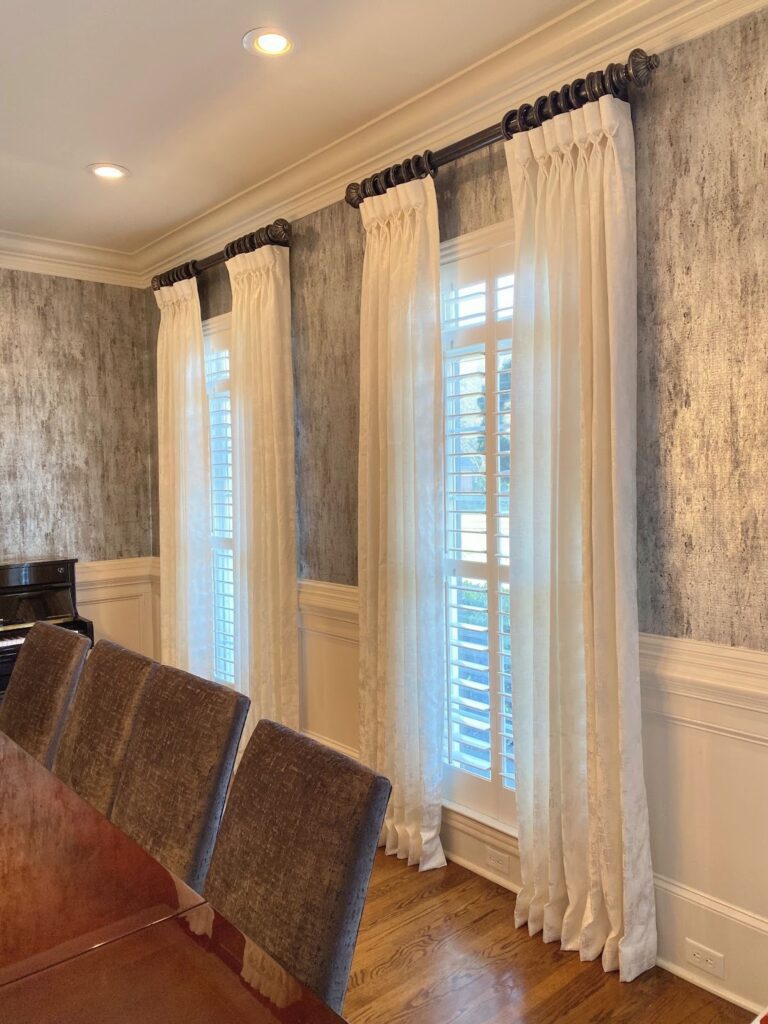
Plantation Shutters: Architectural Beauty + Comfort Benefits
Shutters add structure and timeless style—especially in many classic Chattanooga homes. When fitted properly, shutters can help with:
- light control
- privacy
- an added barrier that supports comfort and efficiency (especially compared with bare glass)
If you love shutters but want more insulation, we often recommend layering (shutters + drapery panels) in key rooms.

Storm Window Panels (Low-E) & Window Film: Powerful Upgrades for Specific Situations
If your home has older windows, historic constraints, or you’re not ready for full window replacement, storm window panels (especially low-E) can be a meaningful efficiency play.
ENERGY STAR notes EPA estimates that ENERGY STAR certified low-E storm windows can save homeowners about $350/year (around 10%) on heating and cooling when installed over single-pane clear glass windows, with a conservative payback around 3 years.
Window film can also reduce solar heat and UV, but it’s very dependent on the glass type and the space—this is something we evaluate carefully during an in-home consultation.

The Secret Weapon: Motorization + Smart Scheduling
Energy efficiency isn’t only about what you choose—it’s also about when you use it.
Motorized shades and drapery can:
- close automatically during peak sun hours
- open to welcome gentle daylight when it helps
- make consistent use easy (especially on tall windows and glass doors)
DOE notes automated options can help optimize energy performance, and cellular shades may be scheduled seasonally for comfort and reduced HVAC loads.
Our Approach: Energy Efficiency, Designed Beautifully
We’re not a “one product fits all” showroom experience. We’re a designer-led, turnkey team—measuring, specifying, and installing solutions that fit your home’s architecture and your real life.
During your complimentary in-home consultation, we evaluate:
- Which windows create the most heat gain (often west-facing)
- Which rooms feel drafty in winter
- How you use the space (sleeping, working, entertaining)
- The look you want: refined, timeless, relaxed, tailored, modern romance
Then we recommend the right combination—often a layered approach that feels effortlessly sophisticated and genuinely comfortable.
FAQs: Energy Efficient Window Treatments
In most homes, insulated cellular (honeycomb) shades are a top choice because they trap air in pockets and can reduce heat loss and solar heat gain when installed tightly.
Yes—especially for Chattanooga’s bright sun. Solar shades can reduce heat gain and glare while preserving your view, making them ideal for sunrooms, offices, and large windows.
They can help reduce heat and block sunlight, but for insulation, blackout roller shades are typically not as effective as cellular shades. Many homeowners get the best results by layering blackout shades with drapery.
They can—because they help you use your coverings consistently and strategically, especially during peak sun hours. DOE notes automated coverings can support optimized energy performance and seasonal scheduling.